

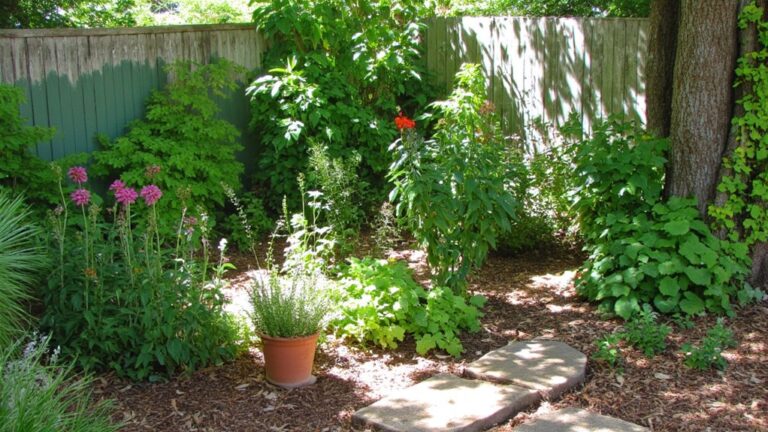
Transforming a corner of your garden into a lush perennial paradise is easier than you might think. By selecting the right plants, you can create a vibrant space that comes back year after year. Incorporating native plants not only adds beauty but also supports local wildlife. It’s all about choosing the right colors, varying heights, and sustainable options. Let these ideas spark your creativity and inspire you to craft your own serene garden retreat.
Choosing the Right Perennial Plants for Your Corner Garden
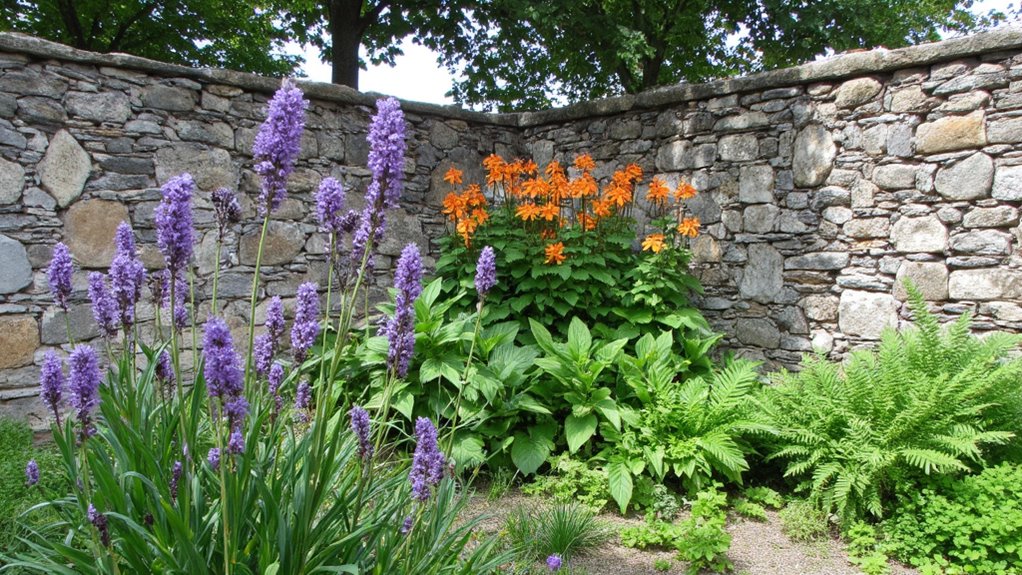
Have you ever wondered how to select the perfect perennial plants for your corner garden?
I’ve found it helpful to contemplate your garden’s style and colors. Think about height, bloom time, and texture to create visual interest. Mixing different varieties can result in a stunning display.
Don’t forget to choose plants that suit your maintenance level, ensuring your garden thrives effortlessly!
How to Assess Sunlight and Soil Conditions
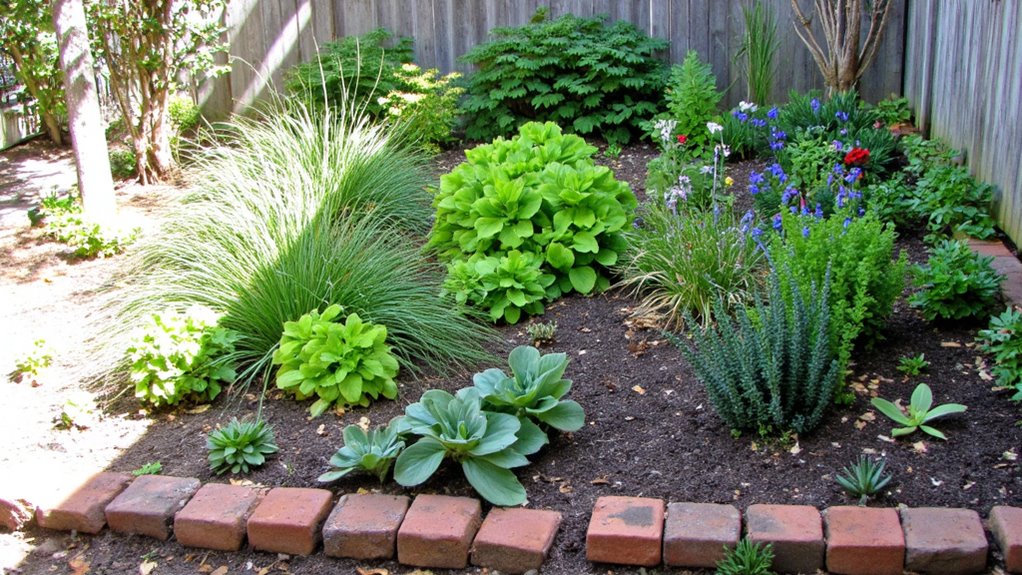
Selecting the right perennial plants is just the beginning; understanding your corner garden’s sunlight and soil conditions is equally important.
I recommend observing how much sun your garden receives throughout the day and noting any shaded areas.
For soil, dig a small hole to check drainage and texture. Testing the pH can also guide you in selecting the best plants for thriving growth.
Creating a Color Palette for Your Garden
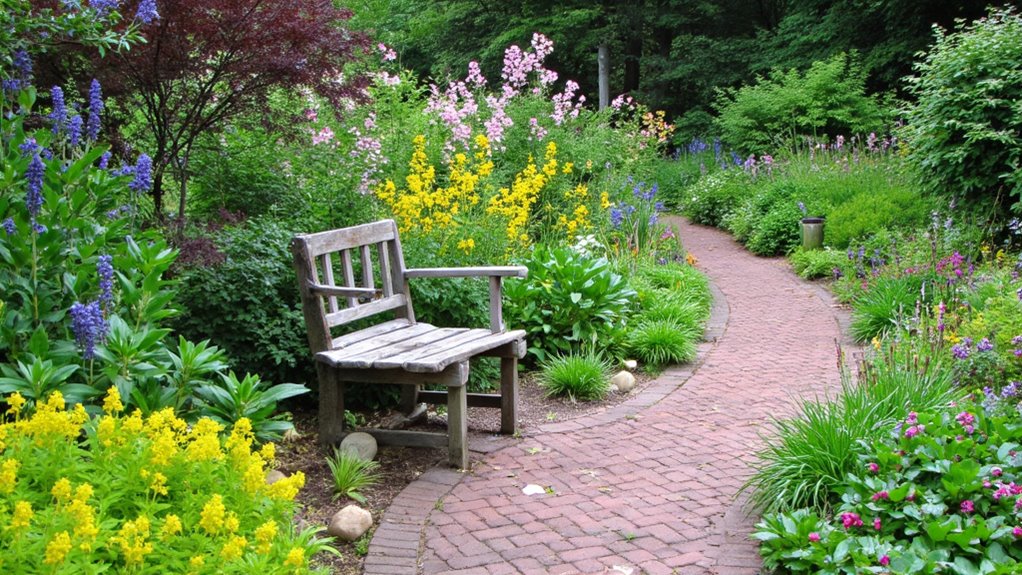
How can I bring harmony and vibrancy to my garden?
I start by choosing a color palette that reflects my style. I mix complementary colors like purples with yellows or blues with oranges.
I also consider the seasons, selecting blooms that will provide continuous color.
Layering Heights: Designing Vertical Interest
While I love a lush garden filled with vibrant colors, I also find that layering heights adds an exciting dimension to my design.
By incorporating tall plants like delphiniums at the back and shorter blooms like daisies in front, I create visual interest.
The contrast not only draws the eye but also showcases each plant’s unique beauty, making my garden feel more dynamic and inviting.
How Ground Covers Can Make Your Garden Fuller
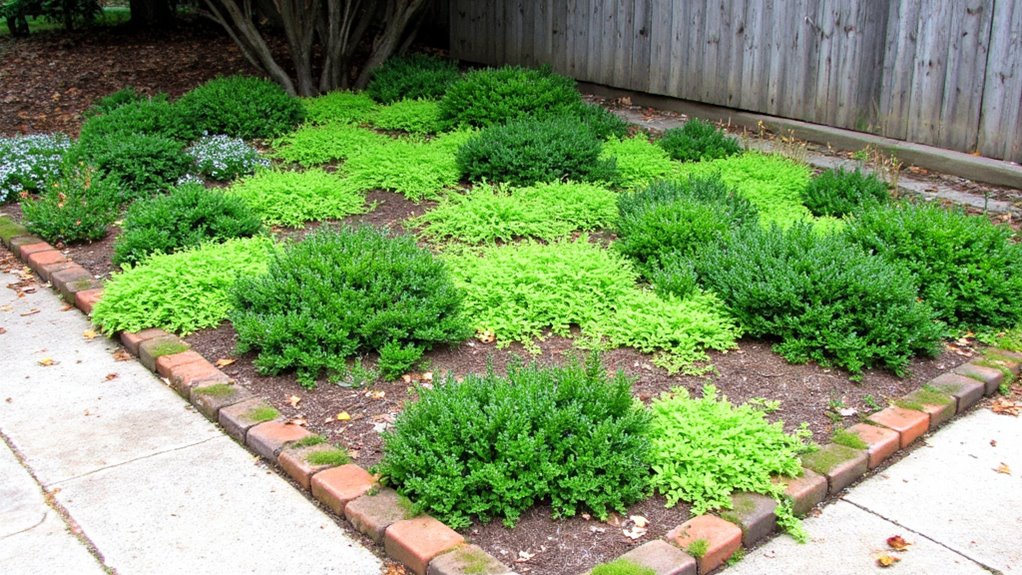
Incorporating ground covers is a fantastic way to enhance the fullness of my garden, especially after establishing layered heights.
These low-growing plants fill in the gaps between taller perennials, creating a lush, cohesive look. Plus, they help suppress weeds and retain moisture in the soil.
I love how ground covers add texture and color, making my garden feel more complete and inviting.
Adding Focal Points With Statement Perennials
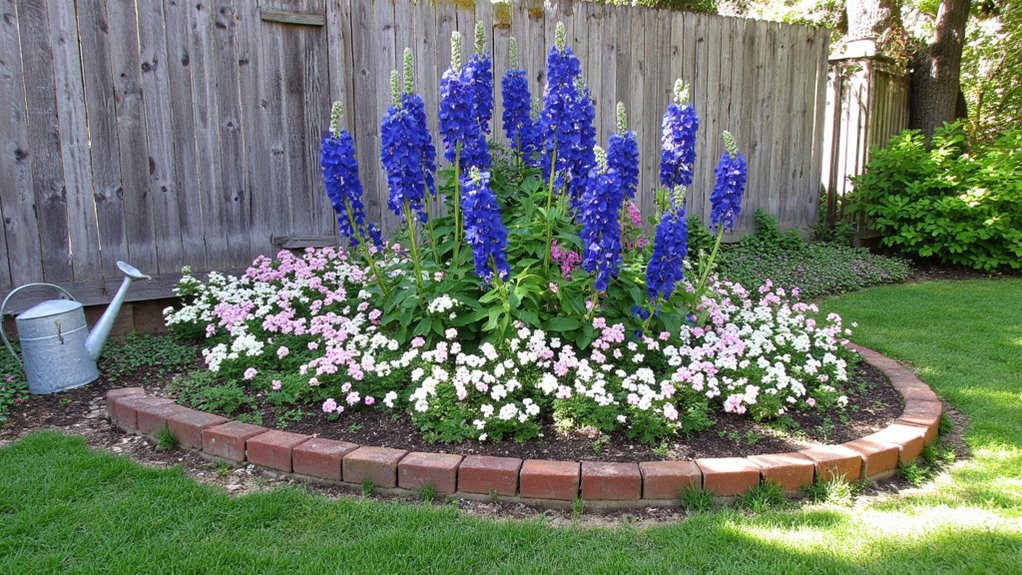
To create a striking visual impact in my garden, I love adding statement perennials that draw the eye and serve as focal points.
Plants like towering delphiniums or vibrant peonies not only add color but also structure.
I strategically position them in key spots, ensuring they stand out.
These bold choices make my garden feel dynamic and inviting, enchanting anyone who visits.
Attracting Pollinators: Butterfly and Bee-Friendly Plants
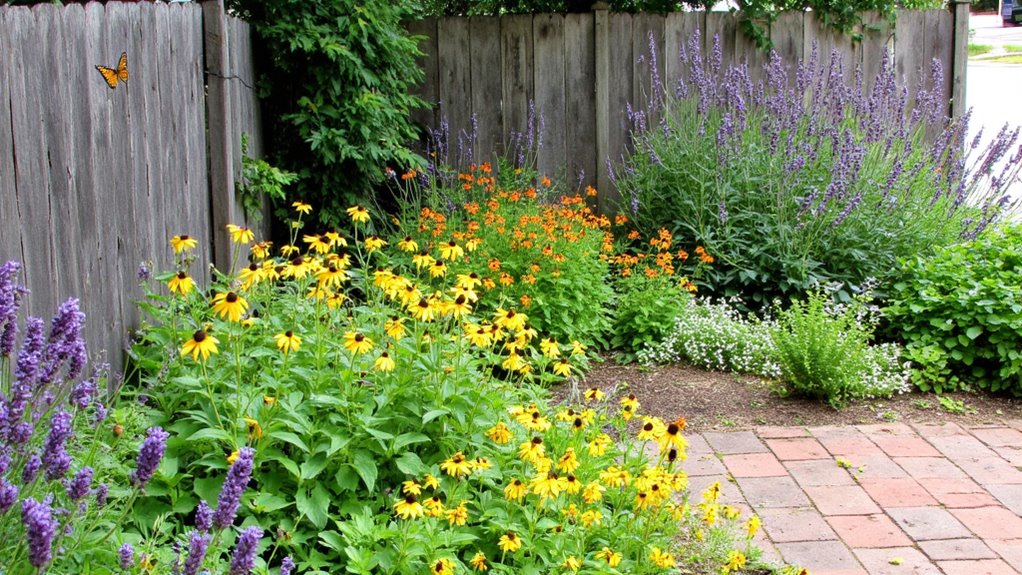
How can I create a garden that buzzes with life?
I choose butterfly and bee-friendly plants like coneflowers, black-eyed Susans, and lavender. These vibrant blooms not only add color but also provide essential nectar.
I avoid pesticides and create a sunny spot for them to thrive.
With a little care, I can transform my corner garden into a pollinator paradise.
How to Ensure Continuous Blooms Throughout the Seasons
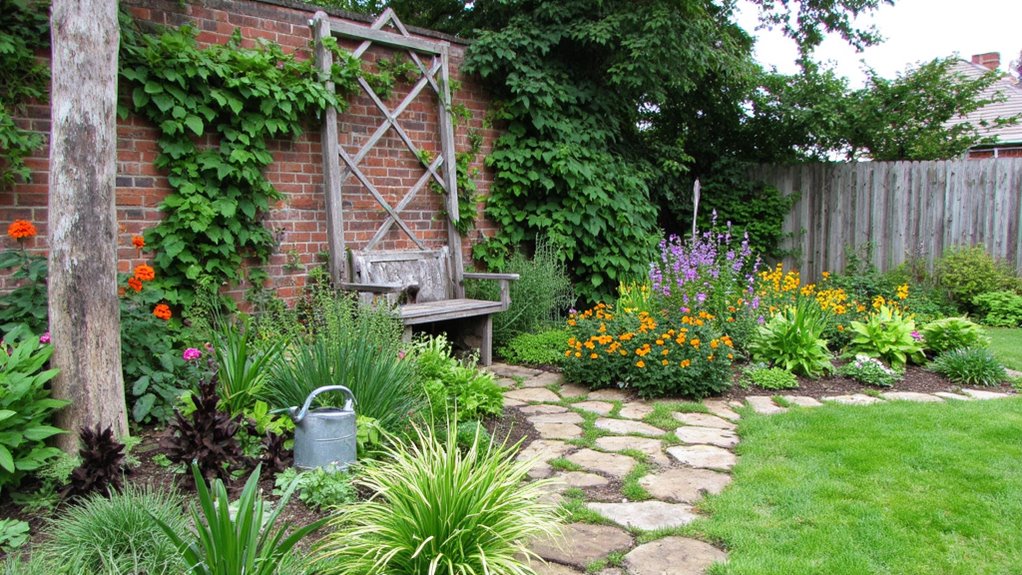
While planning my garden, I focus on selecting a variety of perennials that bloom at different times throughout the seasons.
I like to mix early bloomers like crocuses with mid-season favorites such as daylilies, and late bloomers like asters. This way, I guarantee there’s always something vibrant to enjoy.
Deadheading regularly also helps extend the blooming period and keeps the garden looking fresh.
Edible Perennials: Herbs and Vegetables
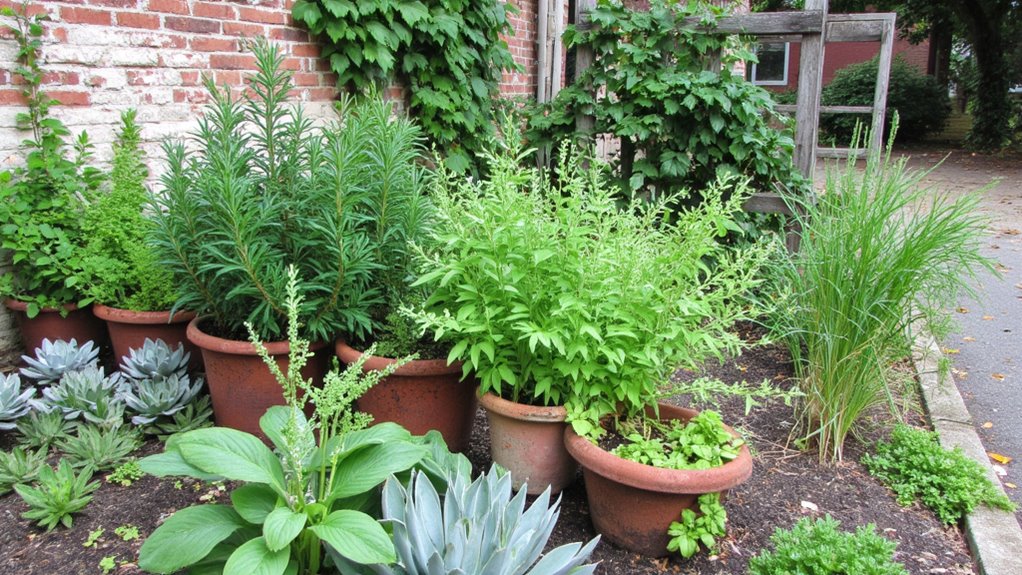
Incorporating edible perennials into my garden not only adds beauty but also provides a sustainable source of fresh herbs and vegetables.
I love growing perennial herbs like chives and oregano, which come back year after year.
Plus, rhubarb and asparagus offer delicious harvests without replanting.
It’s rewarding to step outside and gather ingredients for my meals right from my garden.
Use Perennial Grasses to Create Natural Borders
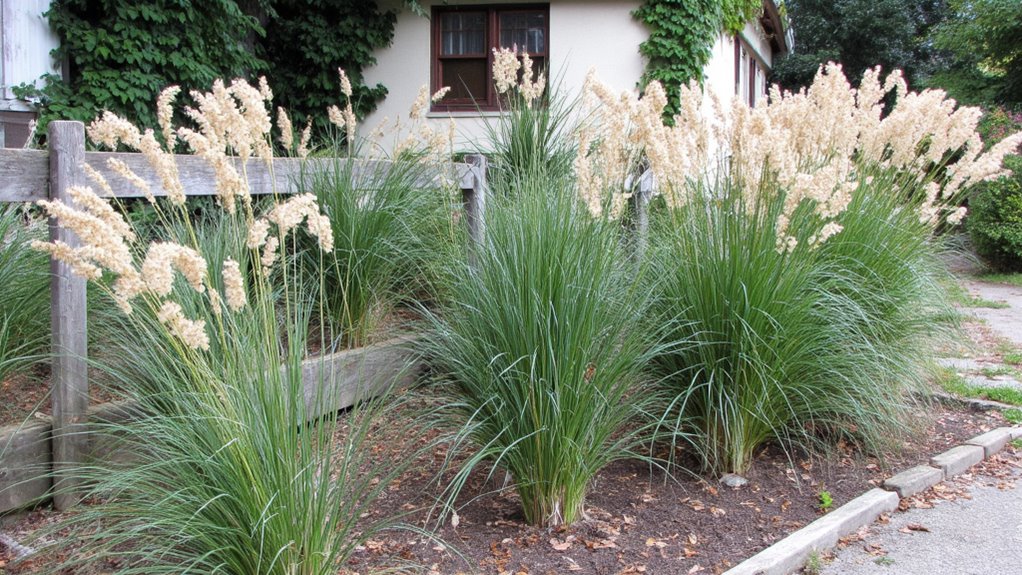
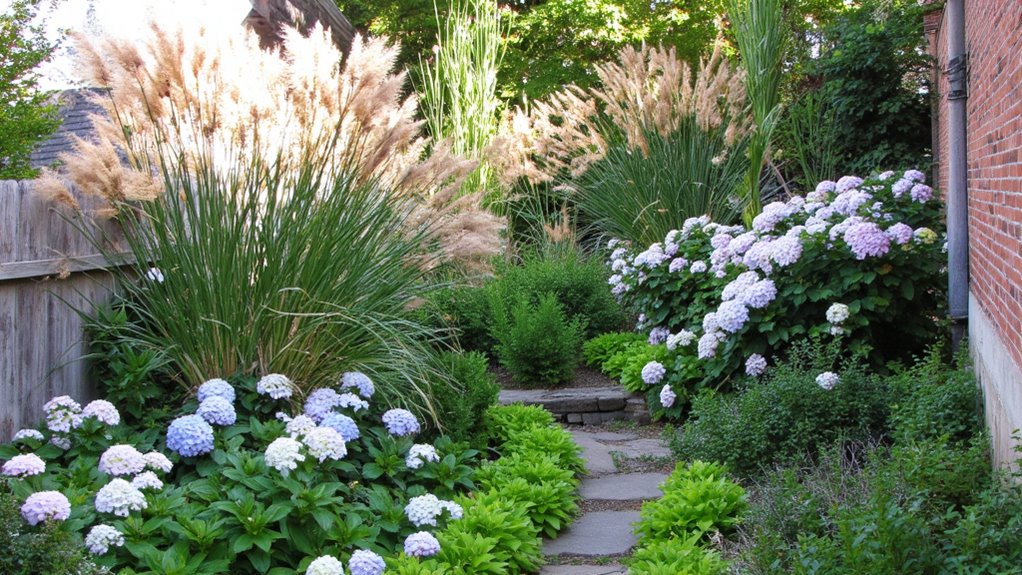
Using perennial grasses can transform your garden by creating natural borders that not only define spaces but also add texture and movement.
I’ve found that varieties like Miscanthus and Panicum work wonders in softening edges. They sway beautifully in the breeze, enhancing the garden’s atmosphere.
Plus, they require minimal maintenance, making them a practical choice for any landscape design.
Incorporating Hardscaping Features for Structure and Appeal
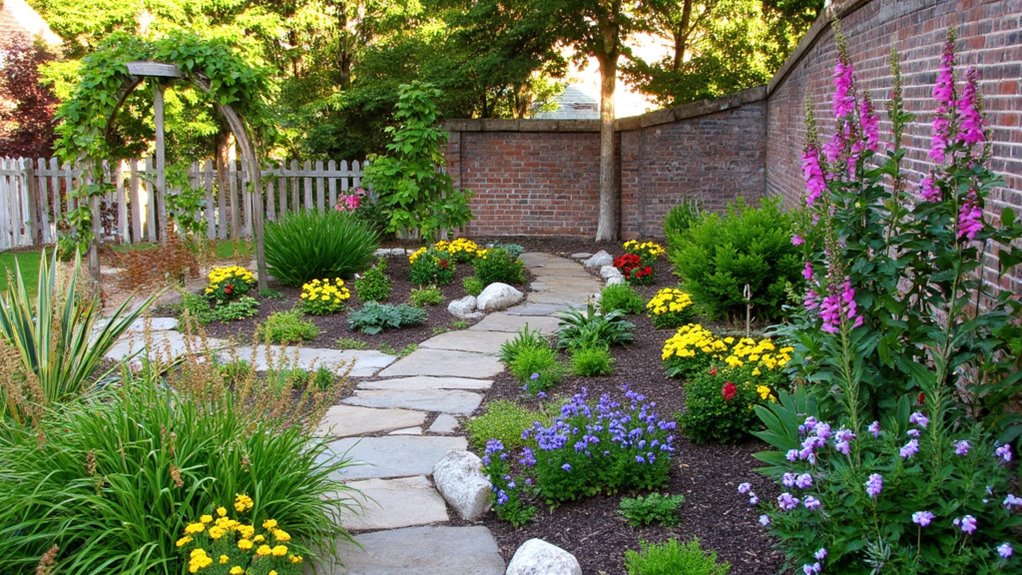
When I design a garden, I always consider how hardscaping features can enhance both structure and appeal.
Pathways, patios, and decorative stones not only guide the eye but also create a cohesive look. They provide a foundation for my perennials, allowing them to shine.
Featuring Fragrant Perennials for a Sensory Experience
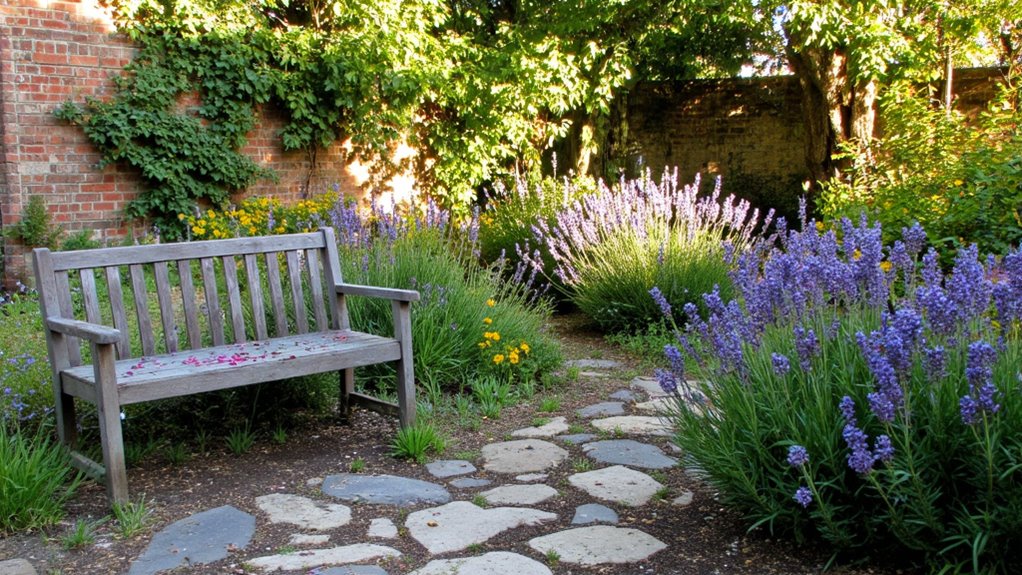
While designing my garden, I find that featuring fragrant perennials can transform the space into a sensory delight.
Plants like lavender and peonies not only add beauty but also fill the air with enchanting scents. I love placing them near seating areas, inviting me to pause and breathe deeply.
Creating this aromatic atmosphere truly enhances my outdoor experience and connects me with nature.
How to Add a Water Feature for a Relaxing Garden
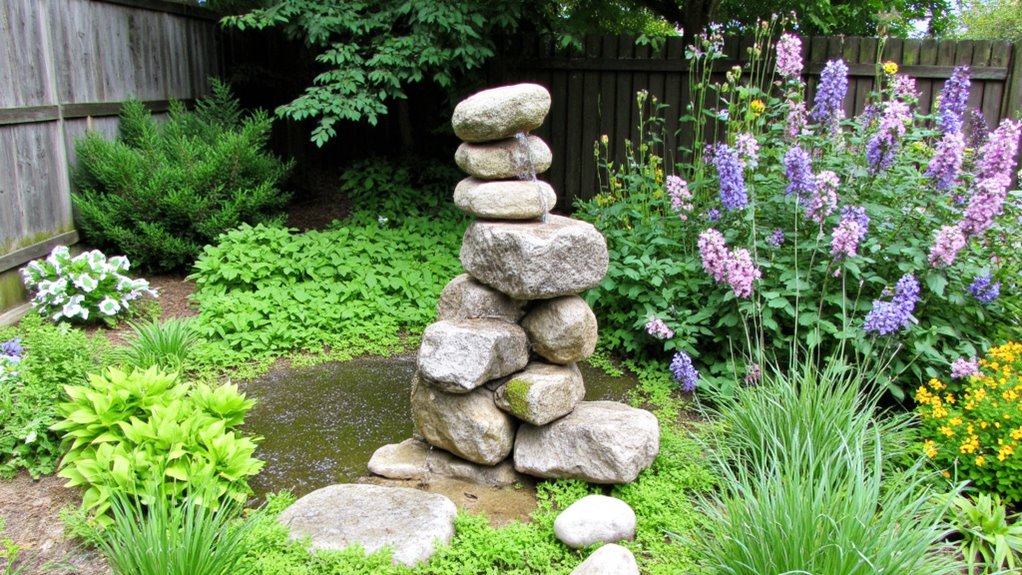
To create a truly relaxing garden, adding a water feature can make all the difference.
I love incorporating a small fountain or a pond; the gentle sound of flowing water instantly soothes my mind.
You don’t need a large installation—just a simple birdbath or tabletop fountain can enhance the ambiance.
Choose a spot where you can enjoy it most, and let tranquility flow.
Maintaining Your Perennial Corner Garden With Ease
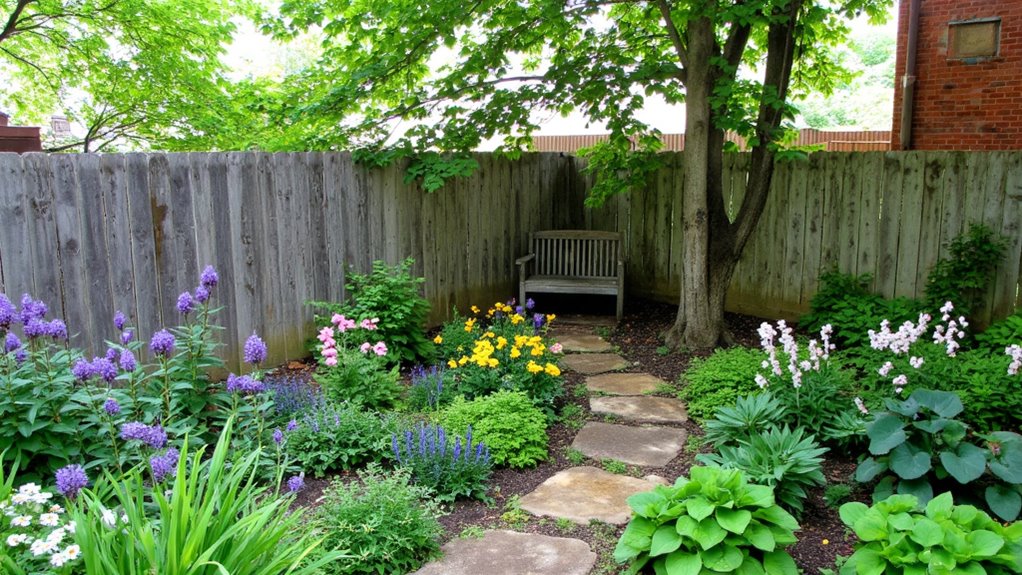
Maintaining your perennial corner garden doesn’t have to be a challenging task, especially if you plan ahead.
I’ve found that mulching helps retain moisture and suppress weeds, making my maintenance easier. Regular deadheading encourages blooms, while seasonal pruning keeps plants healthy.
Plus, a simple watering schedule can save time. With these tips, I enjoy my garden without the stress!
Companion Planting: Best Pairings for Perennials
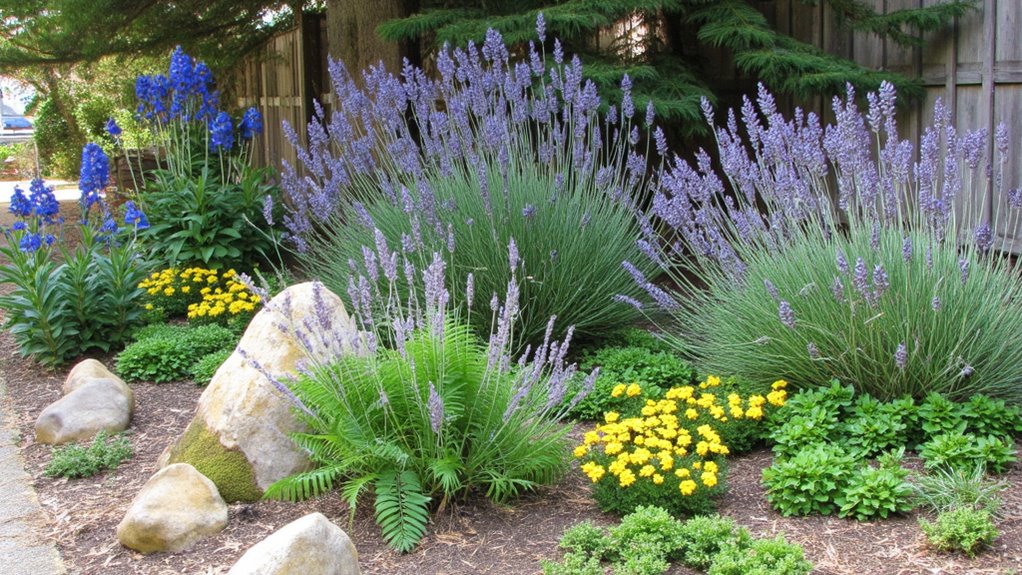
After getting the hang of maintaining my perennial corner garden, I’ve discovered that companion planting can enhance both beauty and health.
For example, pairing lavender with roses not only adds charm but also repels pests.
Similarly, combining echinacea with black-eyed Susans creates a vibrant display while attracting beneficial pollinators.
These thoughtful pairings make my garden thrive, both visually and ecologically.
Tips for Dividing and Propagating Your Perennials
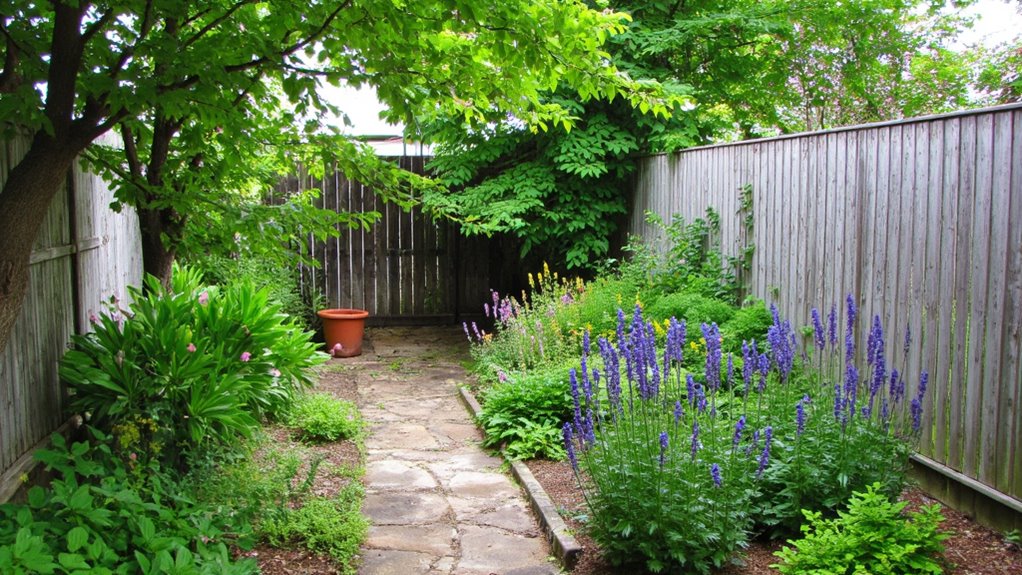
While I enjoy watching my perennials flourish, I’ve found that dividing and propagating them can be just as rewarding.
I typically wait until spring or fall when the plants are actively growing. Using a spade, I carefully lift the clumps, ensuring each division has roots.
Then, I replant them in prepared soil, watering well. It’s a fantastic way to expand my garden!
Natural Ways to Manage Weeds and Pests
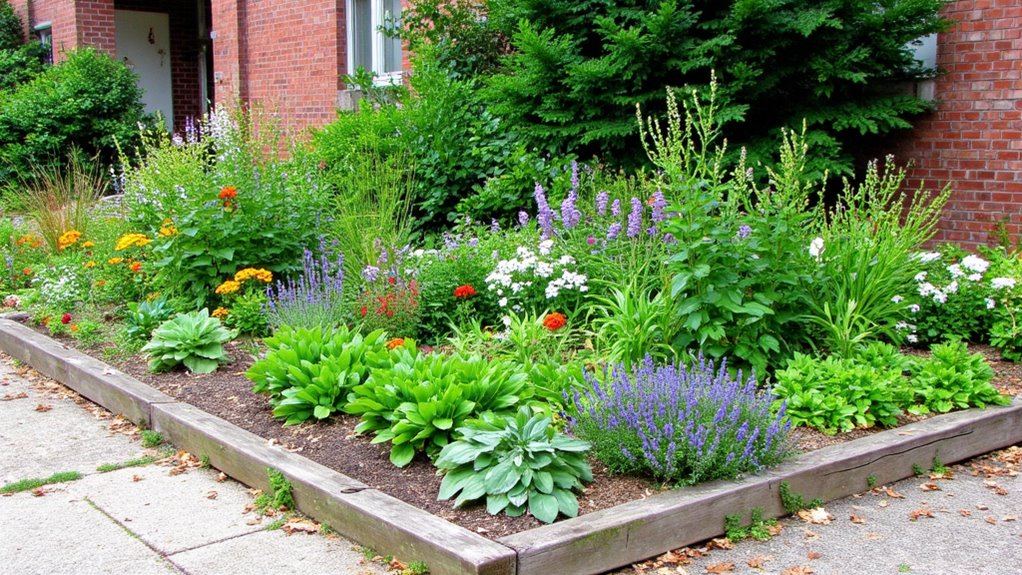
Even though weeds and pests can be a gardener’s nightmare, I’ve discovered several natural methods to keep them at bay.
I use a mix of vinegar and water for weeds and introduce beneficial insects like ladybugs to control pests.
Companion planting also works wonders, as some plants naturally repel unwanted critters.
The Benefits of Mulching in Your Garden Design
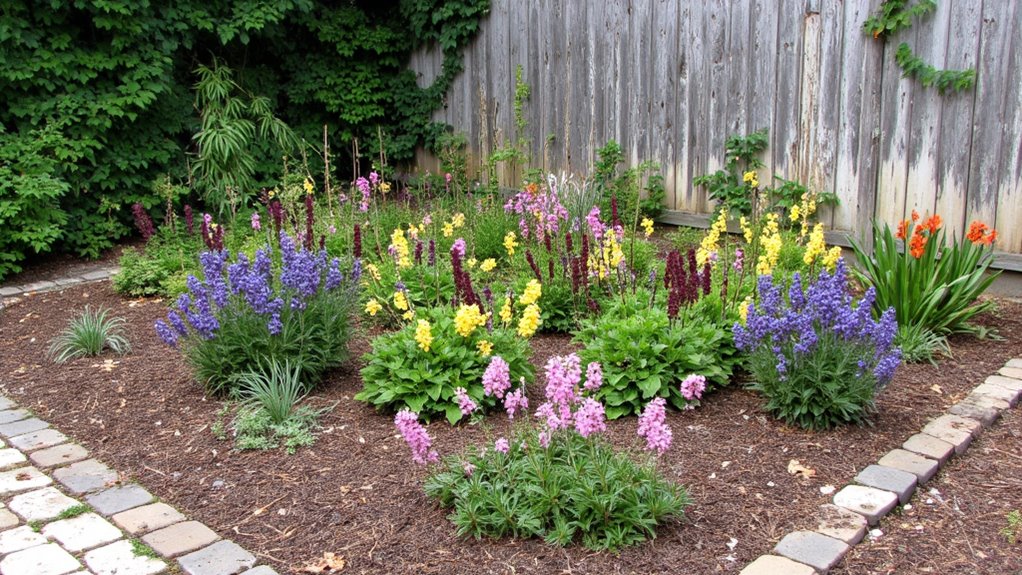
As I’ve learned through my gardening journey, mulching offers a wealth of benefits that enhance both the health of my plants and the overall design of my garden.
It conserves moisture, suppresses weeds, and regulates soil temperature, creating a thriving environment.
Plus, it adds texture and color, making my garden visually appealing.
Adding mulch not only enhances the health of my plants but also enriches the visual beauty of my garden.
Mulching truly transforms my outdoor space into a lush retreat.
Creating Wildlife Habitats With Perennials
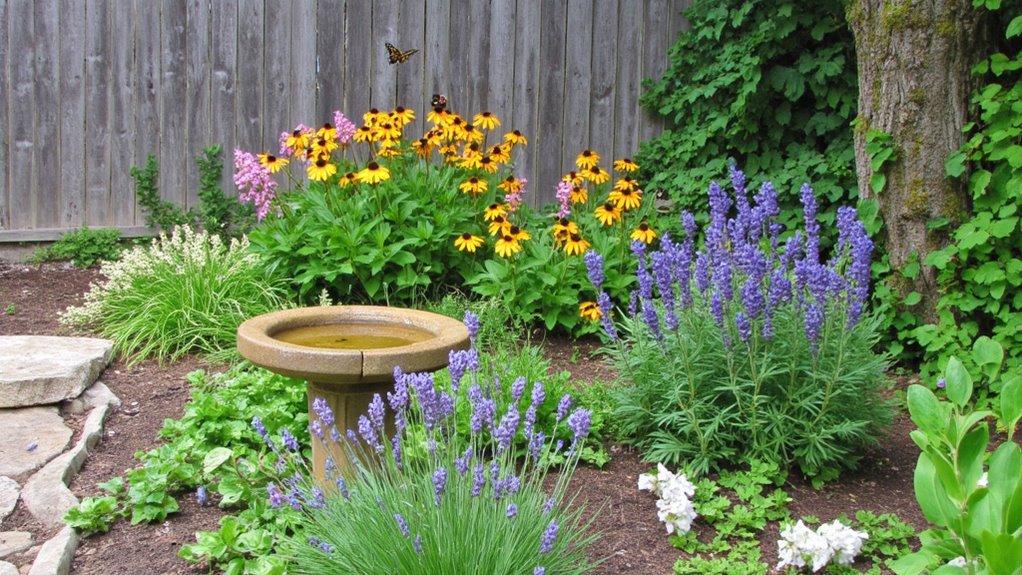
Creating a wildlife habitat with perennials can transform your garden into a vibrant ecosystem that attracts beneficial creatures.
I love choosing native plants like coneflowers and black-eyed Susans, which provide food for pollinators.
Adding a water source and shelter, like birdhouses or brush piles, enhances the habitat.
How to Prepare Your Corner Garden for Winter?
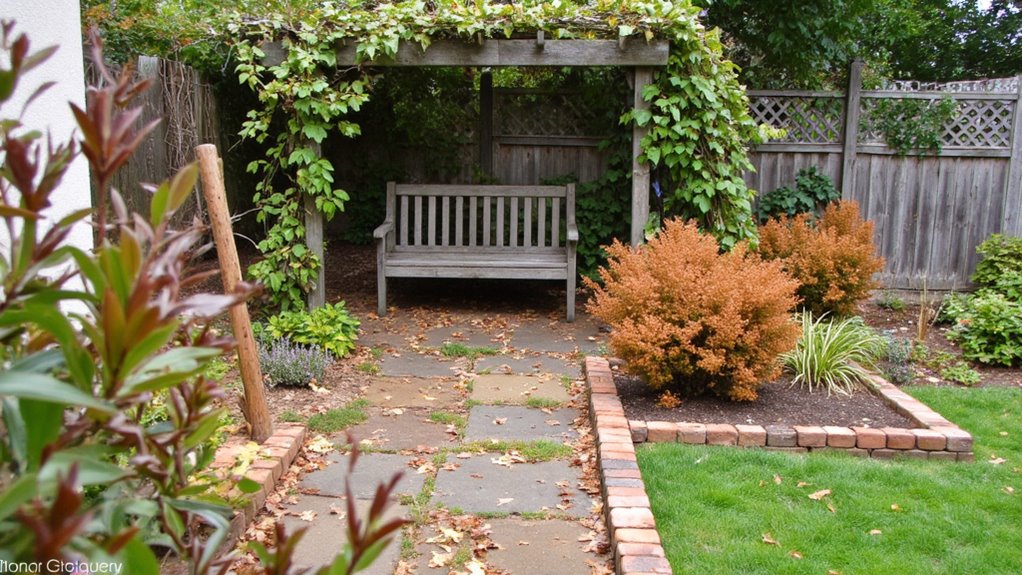
Preparing your corner garden for winter is just as important as nurturing it throughout the growing season.
I start by cutting back perennials and removing any dead foliage.
Then, I apply a layer of mulch to insulate the soil.
I also guarantee that any tender plants are protected or moved indoors.
Finally, I check my garden tools to get them ready for spring!
